




SEN0654

Images are for reference only
See Product Specifications
See Product Specifications
426-SEN0654
SEN0654
Mfr.:
Description:
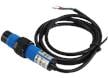
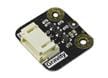
Air Quality Sensors The Gravity: Factory Calibrated Laser Lab-Grade Methane Sensor is engineered for researchers who require reliable, quantitative data for publication. Move beyond the qualitative estimations of traditional MQ2 sensors and leverage advanced TDLAS techn
Air Quality Sensors The Gravity: Factory Calibrated Laser Lab-Grade Methane Sensor is engineered for researchers who require reliable, quantitative data for publication. Move beyond the qualitative estimations of traditional MQ2 sensors and leverage advanced TDLAS techn
Lifecycle:
New Product:
New from this manufacturer.
Availability
-
Stock:
-
0An unexpected error occurred. Please try again later.
-
On Order:
-
5Expected 11/02/2026
-
Factory Lead Time:
-
2Weeks Estimated factory production time for quantities greater than shown.
Pricing (USD)
| Qty. | Unit Price |
Ext. Price
|
|---|---|---|
| $61.25 | $61.25 |
- CAHTS:
- 9027100010
- USHTS:
- 9027102000
- JPHTS:
- 902710000
- KRHTS:
- 9027100000
- MXHTS:
- 9027100100
- BRHTS:
- 90271000
- ECCN:
- EAR99